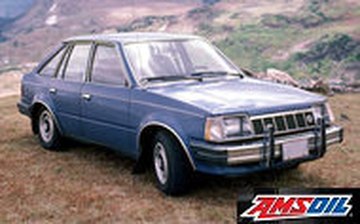
Lubrication Maintenance for the 1982 Mercury Lynx 1.6L
Maintaining a vehicle from the early 1980s requires a shift in perspective compared to modern automotive care. For owners of a 1982 Mercury Lynx with the 1.6L engine, routine service is not just about following a schedule; it is about monitoring the physical condition of aging components and ensuring that the lubrication system remains effective. Because mechanical parts and seals change over decades of use, proactive observation is often more valuable than strictly adhering to generic maintenance intervals.
Monitoring Fluid Integrity and Potential Leaks
One of the most practical aspects of maintaining an older engine is performing regular visual inspections for fluid integrity. Over time, the various gaskets and seals that contain engine fluids may undergo changes in elasticity or material composition. When inspecting the 1.6L engine, it is useful to look for signs of seepage around sealing surfaces.
A thorough inspection should include looking at the following areas:
- Sealing Surfaces: Check for any evidence of oil weeping from where different engine components meet.
- Drain Areas: Inspect the area beneath the vehicle and around the oil pan for any fresh fluid accumulation.
- External Connections: Look for signs of moisture or residue near various connections and mounting points.
If you notice new signs of seepage, it warrants investigation to determine if a seal is simply aging or if there is an active leak that requires attention. Addressing minor seepage early can prevent more significant issues later on.
Observing Changes in Engine Performance
Beyond visual inspections, the way the vehicle behaves during operation can provide clues regarding its lubrication needs. While symptoms do not always point to a single specific cause, certain changes should be noted and investigated.
Changes in how the engine sounds or smells can be significant. For instance, an unusual odor that develops after driving may indicate that fluid is contacting a hot surface. Similarly, any unexpected mechanical noises during startup or while idling should be monitored closely. If you notice a change in how much lubricant the engine seems to use between service intervals, this is a clear indicator that the vehicle's maintenance routine needs closer scrutiny.
It is important to remember that many different factors can cause a single symptom. An oil pressure warning light or an unusual noise should be treated as a prompt for professional diagnosis rather than an immediate conclusion of a specific part failure.
Prioritizing Maintenance Based on Current Condition
For long-term ownership of a 1982 Mercury Lynx, the most effective strategy is to prioritize maintenance based on the actual condition of the vehicle rather than its age alone. A vehicle that has been kept in a climate-controlled environment may have different needs than one exposed to varying weather conditions.
If you are stepping into ownership without a complete service history, establishing a baseline is a logical first step. This involves:
- Reviewing available records: Even partial documentation of past repairs or fluid changes can provide a roadmap for what has been addressed and what might be overdue.
- Conducting a comprehensive inspection: If history is unknown, perform a thorough check of all fluids, belts (if equipped), and hoses to understand the current state of the engine bay.
- Addressing active concerns first: If there are visible leaks or noticeable changes in operation, these should take precedence over general preventive tasks.
By focusing on the actual state of the 1.6L engine, you can distinguish between necessary repairs and unnecessary parts replacement, ensuring that maintenance efforts are directed where they will provide the most benefit.
Managing Aging Engine Components
As vehicles age, certain materials naturally become more sensitive to environmental factors and heat cycles. When performing routine service on a 1982 Mercury Lynx, it is wise to inspect components that are subject to wear or degradation over time.
If equipped, accessible drive belts should be checked for signs of cracking, glazing, or fraying. Similarly, if the vehicle has various rubber hoses present, they should be inspected for softness, brittleness, or swelling. Electrical connections and wiring harnesses can also benefit from a visual check to ensure that insulation remains intact and connectors are secure. Maintaining these peripheral components helps ensure that the engine operates in an environment where the lubrication system can perform its job without interference from other failing parts.
Effective Record Keeping for Long-Term Care
Consistent documentation is one of the most underrated tools in automotive maintenance. For a 1982 Mercury Lynx, keeping a detailed log of every oil change, filter replacement, and observed leak can be incredibly helpful. This history allows you to identify patterns—such as an increasing rate of fluid consumption or the frequency with which certain seals need attention.
A well-maintained record serves two purposes: it helps you stay ahead of potential issues by tracking trends, and it provides a clear history of the vehicle's care, which is invaluable for understanding its overall mechanical health. Whether you use a digital log or a physical notebook, the goal is to create a reliable timeline of the engine's service life.
Practical Advice for Buying Engine Oil for your 1982 Mercury Lynx 1.6L
When it is time to replenish the lubrication in your engine, accuracy is essential. Because different engines have specific requirements regarding fluid properties and chemical compositions, you should never rely on general assumptions based on the vehicle's age or size.
To ensure you are using the correct product, match the engine oil to the application-specific viscosity information already displayed on this webpage. Before making a purchase, always check the product labeling to confirm it meets the necessary standards for your specific application. While some owners may consider different formulations—such as conventional, synthetic blends, or high-mileage oils that include seal-conditioning additives—the most important factor is ensuring the oil matches the viscosity and specifications provided in the technical data above. Always verify that the oil you select aligns with the information listed for your 1982 Mercury Lynx 1.6L to maintain proper engine health.